By ForestHaven.space
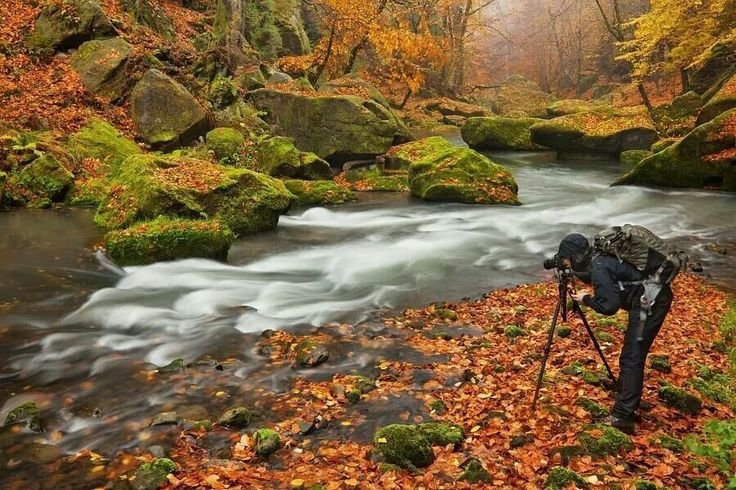
Imagine standing beneath a canopy of towering trees, their leaves whispering secrets in the breeze, while a crystalline stream winds its way through the earth nearby. The air is alive with the scent of moss and the distant call of a bird. This is nature at its most divine—a harmonious symphony of forests, waters, and lands that has captivated humanity for millennia. These elements are not mere resources; they are sacred gifts that sustain life, inspire awe, and connect us to something greater than ourselves. In this exploration, we’ll uncover the divinity of forests, waters, and lands, celebrating their beauty and urging their protection for generations to come.
Forests Divine: The Heartbeat of the Earth
Forests are the pulsing heartbeat of our planet. They breathe life into the atmosphere, producing oxygen while drawing in carbon dioxide to combat climate change. Covering about 31% of the Earth’s land, they harbor an astonishing diversity of life—over 80% of terrestrial species call them home. From the emerald depths of the Amazon to the misty woodlands of the Pacific Northwest, forests are ecosystems of unparalleled richness.
Yet their significance stretches beyond ecology. Across cultures, forests have long been revered as sacred. In ancient Greece, groves were consecrated to deities like Artemis, the goddess of the wild. In Japan, Shinto practitioners honor kami—spirits residing in trees and forests—building shrines amid the cedar and pine. India’s Sacred Groves, protected by local communities for centuries, stand as testaments to the belief that nature is divine, preserving biodiversity through reverence.
But these wooded sanctuaries face dire threats. Deforestation, driven by agriculture, logging, and urban sprawl, claims millions of acres yearly. The Amazon, often dubbed the “lungs of the Earth,” shrinks as chainsaws roar, endangering both wildlife and the indigenous peoples who depend on it. Conservation efforts—protected reserves, reforestation projects, and sustainable practices—offer hope, but the task is monumental.
Forests also nourish us in tangible ways. Indigenous communities harvest wild berries, nuts, and game, weaving these gifts into their diets and traditions. A bowl of foraged mushroom stew or a handful of forest fruits speaks to the deep bond between humanity and these divine woodlands—a bond we must strive to honor and protect.
Waters Divine: The Lifeblood of Existence
Water flows as the lifeblood of our world, a shimmering thread that ties all living things together. Rivers, lakes, and oceans cover over 70% of the Earth, cradling ecosystems as varied as coral reefs and Arctic ice floes. They regulate climate, store carbon, and provide humanity with drinking water, fish, and hydropower. Without water, life as we know it would cease.
This essential element has inspired reverence across time. In India, the Ganges River is worshipped as Ganga Ma, a mother goddess whose waters cleanse the soul. Pilgrims flock to her banks, seeking purification and renewal. In ancient Egypt, the Nile was the life-giving deity that birthed civilization, its floods a divine blessing for fertile fields. Farther north, Russia’s Lake Baikal—known as the “Galápagos of Russia” for its unique species—is sacred to the Buryat people, who see it as a living spirit.
Yet these divine waters are imperiled. Pollution chokes rivers with plastic and chemicals, while overfishing depletes aquatic life. Climate change warms oceans, bleaching coral wonders like Australia’s Great Barrier Reef. Dams alter river flows, displacing communities and wildlife alike. Protecting these waters demands global action—clean-up initiatives, sustainable fishing, and policies to curb emissions.
Water’s divinity shines through its bounty, too. Fish from sacred rivers and seaweed from coastal shores have fed humanity for eons. A simple dish of grilled trout or a seaweed broth reflects the generosity of these waters, a reminder of their role as nurturers of body and spirit.
Lands Divine: The Sacred Foundation
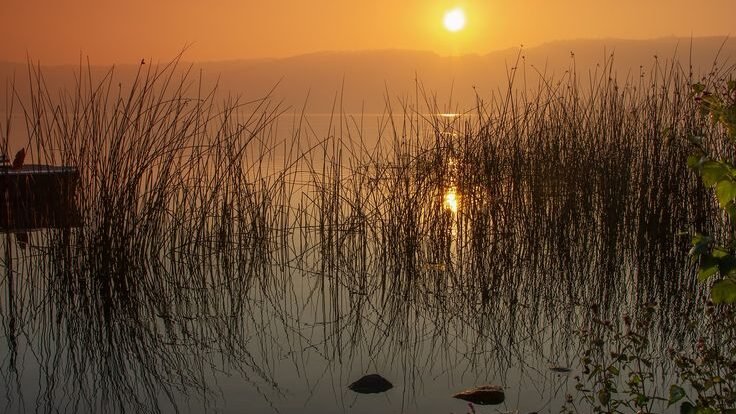
Lands, in all their forms, anchor life itself. From rolling plains to jagged peaks, they provide the stage upon which forests grow and waters flow. Fertile soils yield crops, while deserts and tundras harbor resilient ecosystems. These landscapes are the foundation of biodiversity and human survival, each unique in its contribution to the whole.
Certain lands hold a special sanctity. Mount Fuji in Japan, its snow-capped symmetry a symbol of purity, draws pilgrims and artists alike. Mount Sinai in Egypt, where Moses is said to have received the Ten Commandments, remains a beacon of spiritual power. Australia’s Uluru, a rust-red monolith rising from the desert, is a sacred heart for the Anangu people, its presence steeped in Dreamtime stories. These places stir the soul, their majesty a testament to nature’s divine artistry.
Ecologically, lands are vital yet vulnerable. Soil erosion, mining, and urban expansion degrade them, while sacred sites face tourism’s heavy tread. Preserving these areas—through land trusts, indigenous stewardship, and restoration—safeguards both their natural and cultural value.
The land’s divinity is perhaps most evident in its harvests. Fertile fields produce grains, vegetables, and fruits, sustaining billions. Many cultures offer thanks through harvest festivals, like Thanksgiving or India’s Pongal, celebrating the earth’s generosity. A loaf of bread or a bowl of rice carries the land’s sacred essence, linking us to its cycles of renewal.
The Interwoven Divinity
Forests, waters, and lands do not stand apart—they are interwoven threads in nature’s tapestry. Forests thrive near rivers, their roots drinking deep, while waters carve the land into valleys and plains. Together, they create a living world that supports us all. This interconnectedness amplifies their divinity, showing how each element relies on the others to flourish.
Humanity has long recognized this harmony in art and story. Forests star in myths like the enchanted woods of Arthurian legend, waters birth creation tales from Genesis to the Maori ocean god Tangaroa, and lands frame epic quests across sacred mountains and plains. These narratives reveal a truth: nature’s divinity lies in its unity, its ability to inspire and sustain.
Today, this unity faces unprecedented challenges. Climate change, deforestation, and pollution threaten the balance, demanding that we act as stewards rather than exploiters. By embracing the sacredness of forests, waters, and lands, we can find the will to protect them—through policy, innovation, and personal choice.
A Call to Cherish and Protect
Forests, waters, and lands are more than resources—they are divine treasures that breathe life into our world. Their ecological roles keep us alive, their cultural significance enriches our heritage, and their beauty lifts our spirits. To see them as sacred is to understand our responsibility to them.
So, let us walk gently among the trees, drink respectfully from the streams, and tread lightly on the earth. Let us support conservation, reduce our footprint, and teach others to see the divinity in nature. These wonders belong not just to us, but to the future—a legacy of green canopies, flowing waters, and hallowed lands, preserved for all time.
Author: ForestHaven.space
Related Topics:
- Cuisine: Exploring traditional dishes made from nature’s bounty, like wild berry jams, mushroom stews, and fish from sacred rivers.
- Keywords: forests, waters, lands divine, nature conservation, sacred sites, biodiversity, cultural heritage, environmental protection, sustainable living